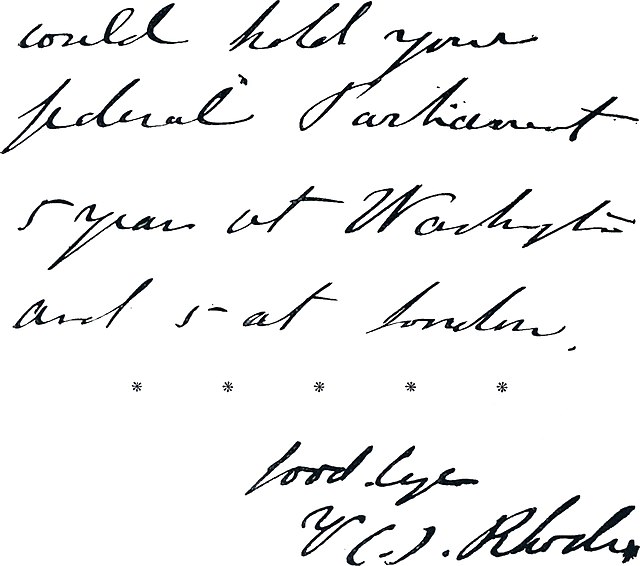
Last Will and Testament of Cecil Rhodes, 1902. Wikimedia Commons.
Modern DNA techniques can now definitively solve questions of paternity, and can even resolve cases from several generations back in the past. But traditionally, there have been many other ways in which family historians could potentially discover who the daddy was when no father’s name appeared on birth certificates. Whilst these methods can never be as accurate as DNA testing, they can produce answers and in addition, tell us a great deal about how illegitimacy was viewed and dealt with in the past
Fathers often acknowledged illegitimate children in a will (if only to deny them any rights to assets), so it might be worth checking the will of anyone whom you might suspect to have been the father of your ancestor. In the will, bastard children might appear as ‘reputed son’ or ‘reputed daughter.’ To find details of your ancestors’ wills made between 1858 and 1995, view the National Probate Calendar or National Index of Wills available at http://www.ancestry.co.uk.
Family History Research Services.
Discover more from searchmyancestry - Ruth A. Symes
Subscribe to get the latest posts sent to your email.
 searchmyancestry - Ruth A. Symes
Leave a comment